
Complete Mobile Repair Toolkit
Complete Mobile Phone Repair Toolkit

📱 Starting Mobile Phone Repair
Starting a mobile phone repair business or hobby requires the right tools. This guide lists everything you need, from least to highest priority, with honest pricing and alternatives.
Don't skip essential tools. Don't buy professional equipment before you're ready. Follow this priority guide to build your toolkit systematically.
We've included even the smallest tools—including desoldering wigs (braids)—so nothing is forgotten.
1️⃣ Priority 1: Essential Tools
These tools are required for ANY phone repair, even basic screen/battery replacements.
Precision Screwdriver Set
- Includes all bit types for iPhones, Samsung, Google, etc.
- Magnetic tips for easy screw handling
- Durable steel that won't strip
- Organized case with labeled bits
Opening Tool Kit

- Nylon spudgers (flat and pointed)
- Suction cup for screen lifting
- Plastic pry tools (assorted sizes)
- Guitar picks (various thicknesses)
Anti-Static Tweezers Set

- Straight tip (fine point)
- Curved tip (for connectors)
- Flat tip (for larger components)
- Self-locking (for holding cables)
Basic Heat Gun

- Adjustable temperature (200-500°C)
- Multiple nozzle attachments
- Stand for safe resting
Magnification

- 2x-5x interchangeable lenses
- Built-in LED light
- Comfortable head strap
Cleaning Tools

- 99% Isopropyl Alcohol (critical)
- ESD-safe brushes (various sizes)
- Lint-free wipes
- Cotton swabs (pointed)
2️⃣ Priority 2: Basic Soldering
Once you're comfortable with disassembly, soldering allows you to fix charging ports, buttons, and basic board issues.
Soldering Iron Station
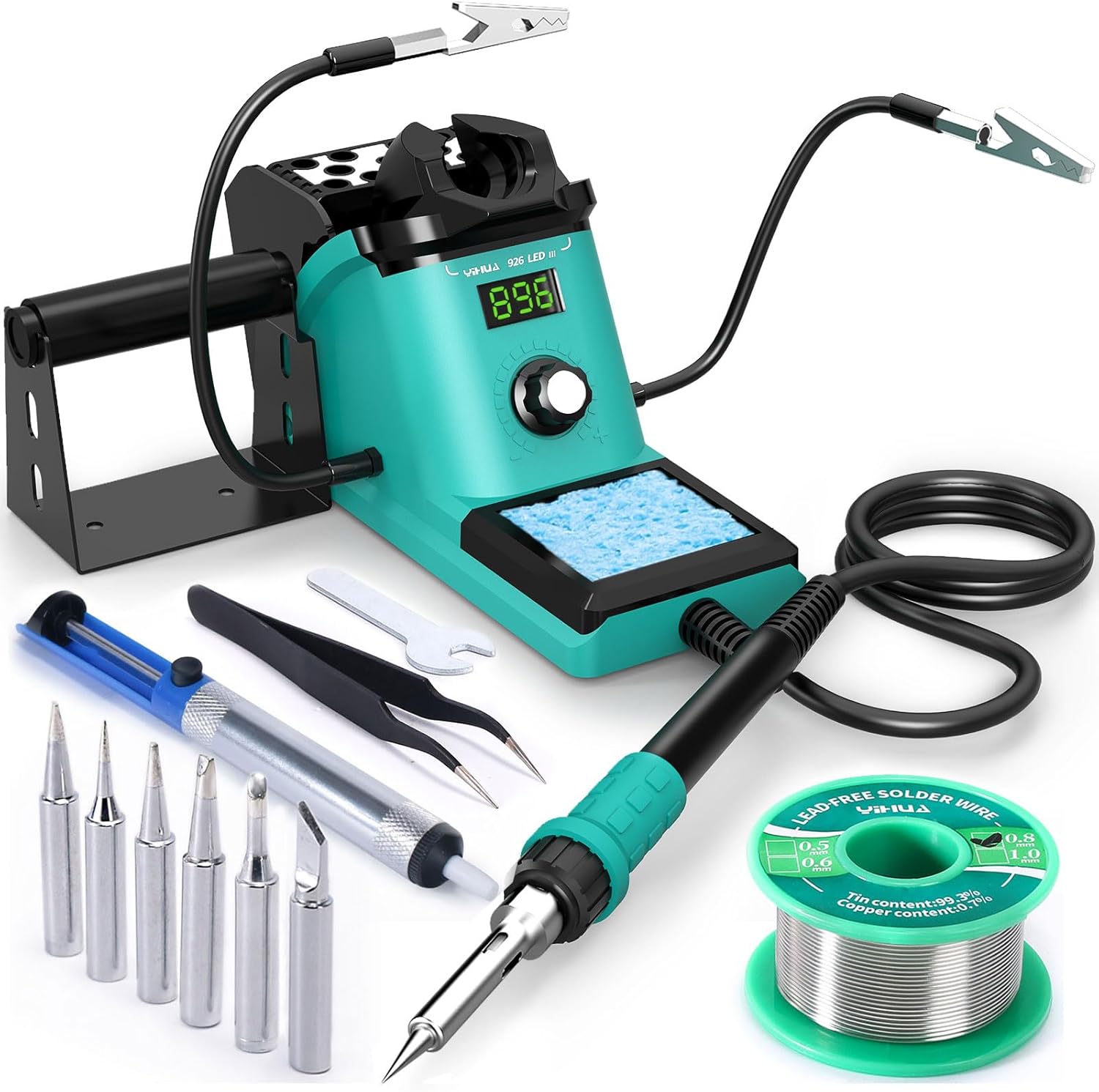
- Adjustable temperature (200-480°C)
- Fast heat-up (under 30 seconds)
- Sleep mode for tip longevity
- Interchangeable tips
Solder Wire

- 0.3mm-0.5mm thickness for fine work
- 63% tin / 37% lead
- Flux core included
Flux

- Tacky flux (stays in place)
- No-clean formula (less mess)
- Syringe applicator for precision
Desoldering Wick / Braid

- 2mm width for general work
- Flux-impregnated (works better)
- Multiple widths available
Soldering Iron Tips Assortment

- Fine conical (for small pads)
- Bent conical (for access)
- Chisel (for wires)
- Hoof (for drag soldering ICs)
Soldering Iron Stand
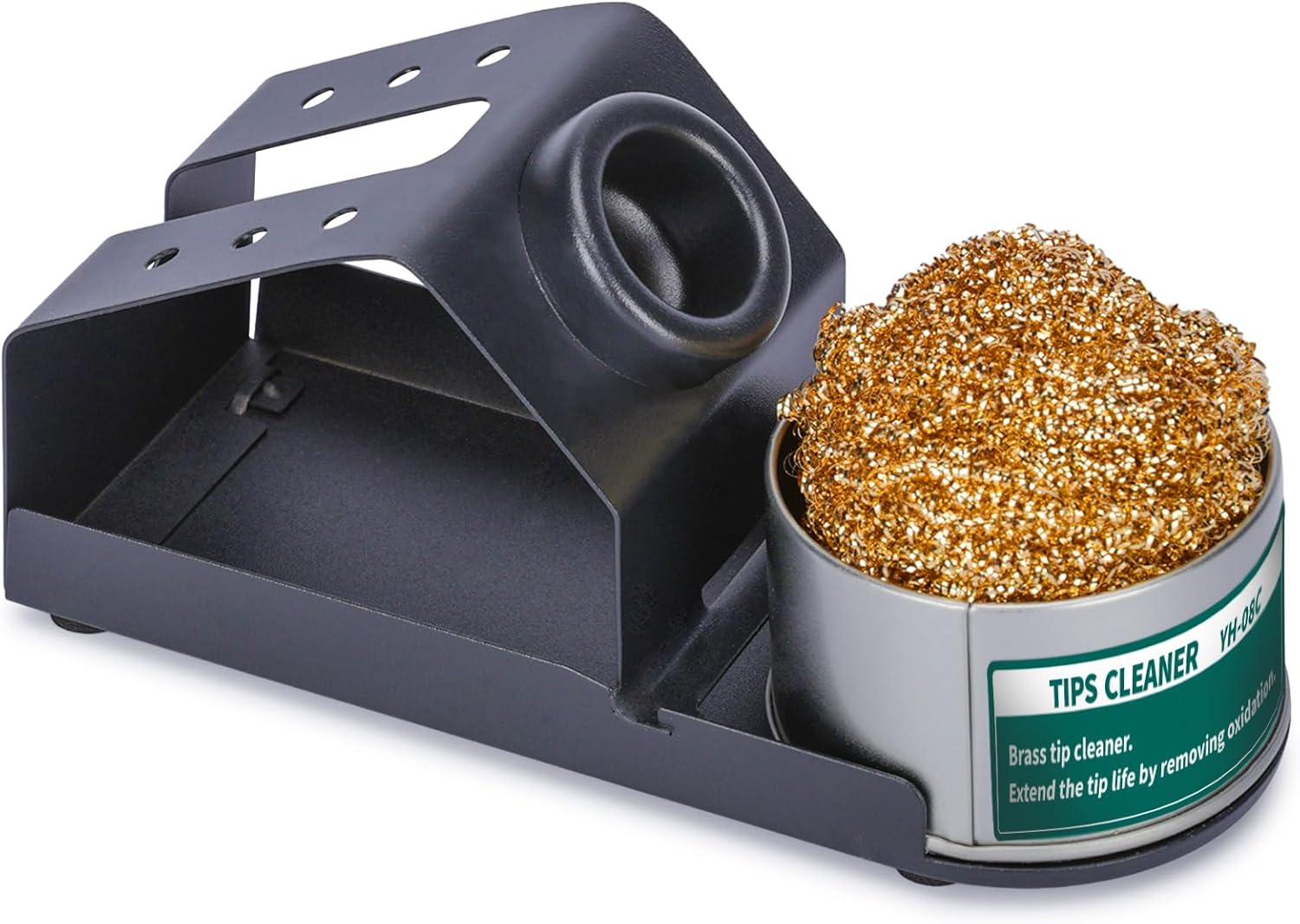
Brass Tip Cleaner

3️⃣ Priority 3: Diagnostic Tools
You can't fix what you can't measure. These tools help you find faults.
Digital Multimeter

- Continuity beeper (for short detection)
- Diode mode (for testing diodes)
- Capacitance measurement
- Auto-ranging (easier to use)
DC Power Supply

- 0-30V adjustable
- 0-10A adjustable (enough for phones)
- Current limiting (protects boards)
- Digital display
Stereo Microscope

- 10x-20x optical magnification
- LED illumination
- Adjustable focus
- Dual eyepieces (reduces eye strain)
Thermal Camera

- See heat signatures instantly
- Find short circuits in seconds
- USB-C connection to phone
4️⃣ Priority 4: Advanced Soldering
For chip-level repair: removing shields, ICs, and working with hot air.
Hot Air Rework Station

- Adjustable temperature (100-480°C)
- Adjustable airflow (20-120 L/min)
- Interchangeable nozzles
- Digital display
Hot Air Nozzle Set

- Round nozzles (various diameters)
- Square nozzles (for CPU/NAND)
- Bent nozzles (for shields)
Desoldering Pump

Preheater / Hot Plate

Kapton (Polyimide) Tape

ESD-Safe Silicone Soldering Mat

5️⃣ Priority 5: Professional Workshop
For high-volume work, BGA reballing, and advanced microsoldering.
Ultrasonic Cleaner

BGA Reballing Kit

- Stencils for iPhone, Samsung, etc.
- Solder ball assortment (0.3mm-0.6mm)
- Reballing paste
- Magnifying stand
Microscope Camera

Fume Extractor
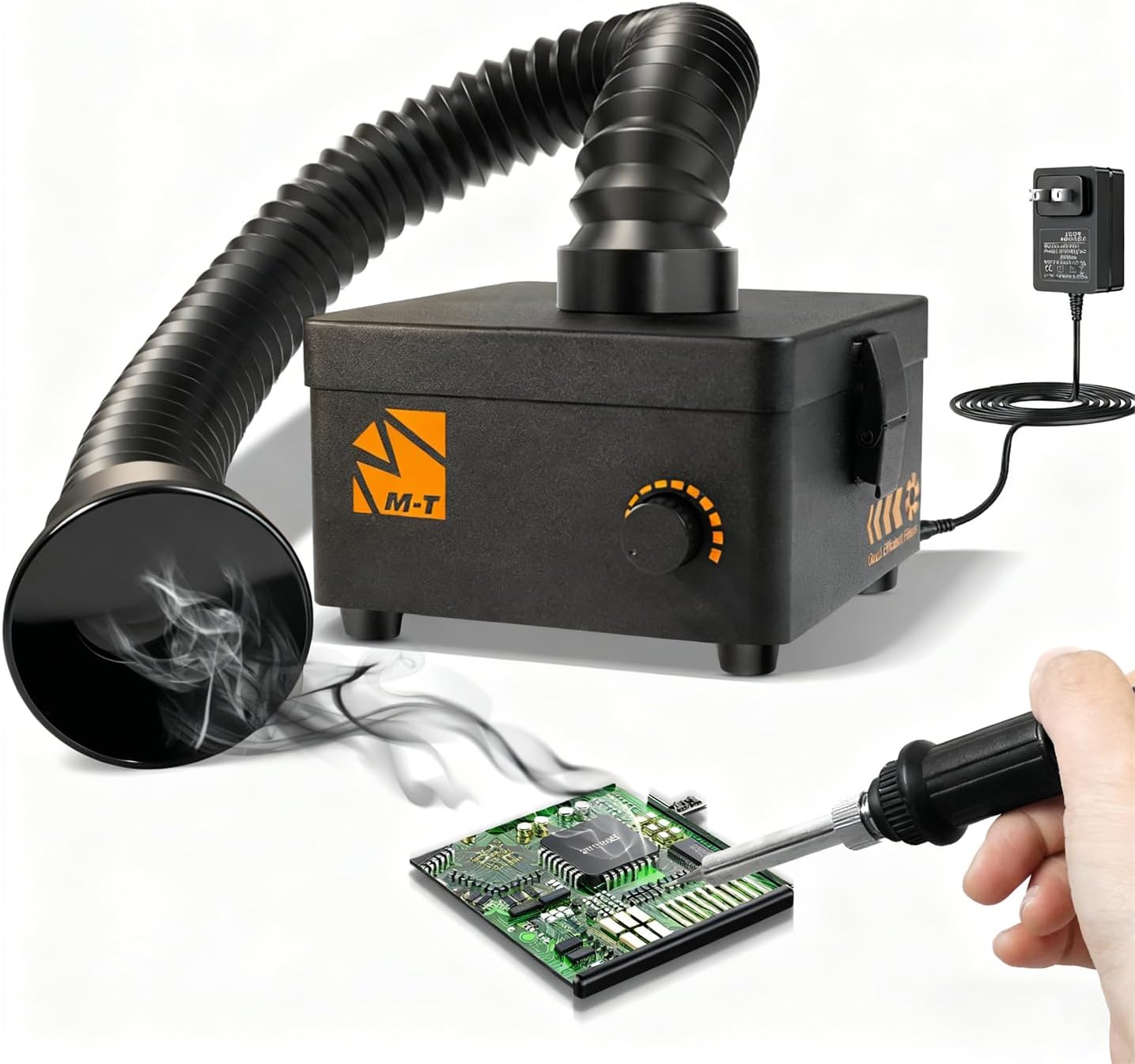
ESD Mat + Wrist Strap

Screw Storage Organizers

🧪 Consumables (You'll Need These)
These items run out. Always keep spares.
🔧 Workshop Essentials
Beyond tools, your workspace matters.
Good Lighting
LED desk lamp, 5000K+ color temperature
Comfortable Chair
You'll sit for hours. Invest in ergonomics.
Power Strips
With surge protection, multiple outlets
Parts Storage
Labeled bins for common parts
Cleaning Supplies
Keep your workspace clean
Work Order System
Track repairs, customer info
✅ Complete Startup Checklist
Check off items as you acquire them. This is everything you need to start a professional repair business.
💡 Pro Tips from Big Felix Repair
🔴 Don't skip desoldering braid
Every beginner makes mistakes. Braid saves your repairs. Buy it before you need it.
🟠 Start with basic tools
You don't need a Quick 861DW to learn. Master the YIHUA 959D first, then upgrade when your income grows.
🟢 Buy flux in bulk
You'll use more flux than you expect. Good flux is the secret to professional soldering.
🔵 Microscope = game changer
The moment you use a microscope, you'll wonder how you worked without one. Prioritize this before hot air.
💰 Watch AliExpress for deals
Many tools are identical to Amazon brands but cost half. Wait 2-4 weeks and save 30-50%.
🎯 Your Repair Journey
Starting mobile phone repair is a journey. You don't need everything at once.
Phase 1 (Months 1-3): Essential tools + soldering iron. Master screen/battery replacements.
Phase 2 (Months 3-6): Add multimeter, power supply, microscope. Start board-level diagnosis.
Phase 3 (Months 6-12): Add hot air, preheater. Learn IC removal and BGA work.
Phase 4 (Year 2+): Professional setup with ultrasonic cleaner, BGA reballing, thermal camera.
✅ Remember
The right tools don't just make repairs easier — they build your reputation as a serious technician. Start simple, upgrade gradually, and never stop learning.